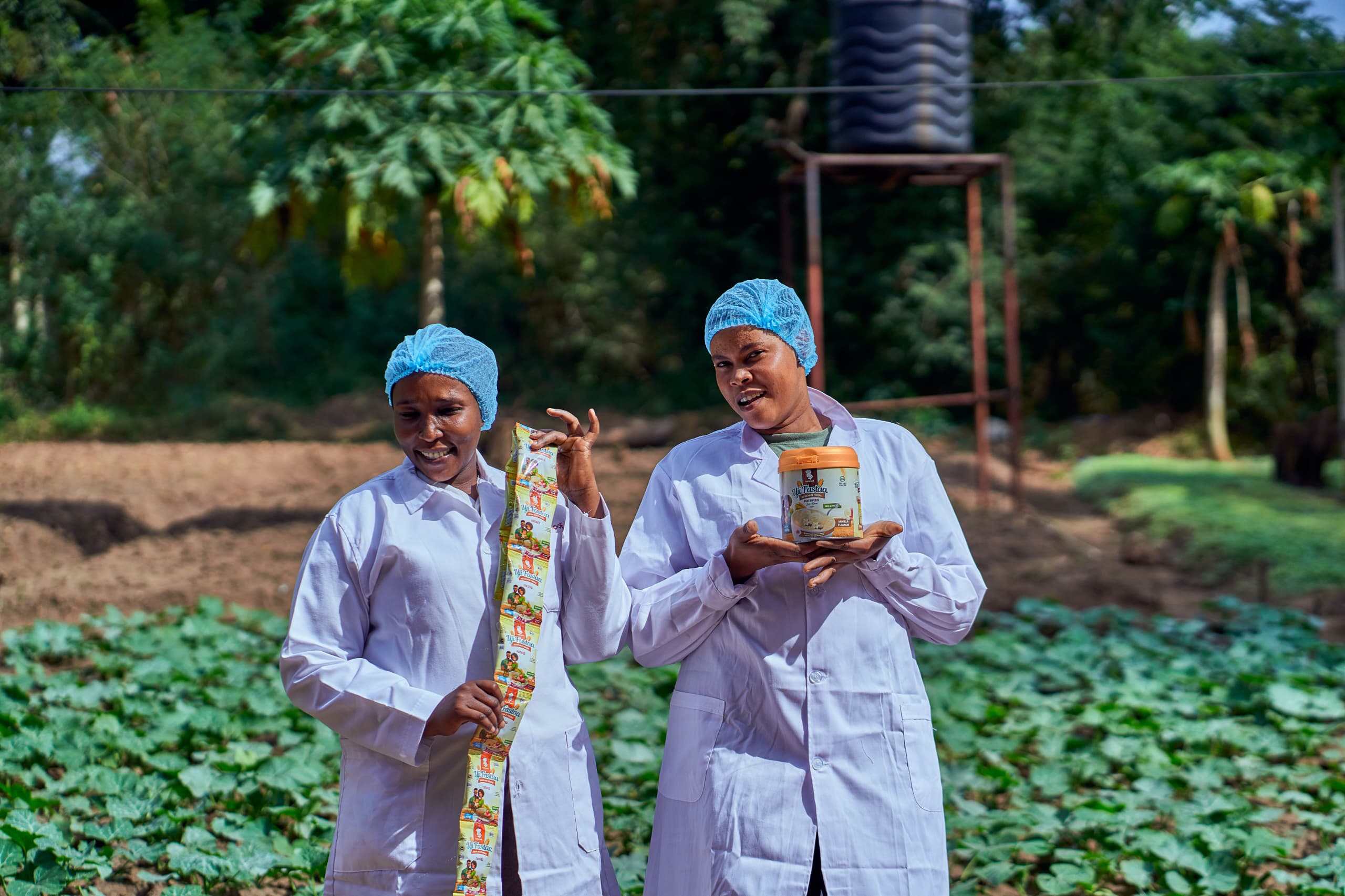
The future of food production lies not in intensive chemical agriculture, but in returning to the organic roots that have sustained communities for generations, enhanced with modern knowledge and sustainable practices. Goldenpot is committed to promoting and supporting eco-friendly farming methods that protect our environment while producing the highest quality ingredients for our products.
Rediscovering Traditional Wisdom
For centuries, Tanzanian farmers cultivated the land using methods that worked in harmony with nature. These traditional practices, passed down through generations, emphasized soil health, crop diversity, and natural pest management. However, the push for higher yields in recent decades led many farmers to adopt chemical-intensive methods that, while increasing short-term production, degraded soil quality and harmed ecosystems.
Goldenpot is working with our partner farmers to reclaim these organic roots. We are documenting traditional farming knowledge from elderly farmers and combining it with modern agricultural science to create farming systems that are both productive and sustainable. This fusion of old wisdom and new understanding is producing remarkable results, healthier soils, more resilient crops, and increased biodiversity on farms.
Organic Methods
Natural fertilizers and pest control without harmful chemicals
Water Conservation
Efficient irrigation and rainwater harvesting systems
Soil Health
Composting and crop rotation for nutrient-rich soil
Building Healthy Soils for Future Generations
Healthy soil is the foundation of sustainable agriculture. Goldenpot promotes practices that build and maintain soil health, ensuring that the land remains productive for generations to come. We encourage our partner farmers to use organic compost made from crop residues and animal manure rather than synthetic fertilizers. This not only nourishes the soil but also reduces greenhouse gas emissions associated with chemical fertilizer production.
Crop rotation is another key practice we promote. By alternating maize with legumes and other crops, farmers can naturally replenish soil nutrients, break pest and disease cycles, and improve soil structure. We provide training on optimal crop rotation patterns and support farmers in diversifying their production. This approach reduces the need for external inputs while improving overall farm productivity and resilience.
Natural Pest Management and Biodiversity
Chemical pesticides kill not only harmful insects but also beneficial ones that help control pests naturally. They can also contaminate water sources and pose health risks to farmers and their families. Goldenpot promotes integrated pest management strategies that rely on natural predators, crop diversity, and targeted interventions only when necessary.
We train farmers to recognize beneficial insects and create habitats that encourage their presence. Planting diverse crops and maintaining hedgerows attract natural pest predators and pollinators. When intervention is necessary, we guide farmers toward organic solutions like neem-based pesticides and biological controls. These methods protect the ecosystem while effectively managing pest populations.
Water Stewardship and Climate Resilience
Water is increasingly scarce in many parts of Tanzania, making efficient water management critical for sustainable agriculture. Goldenpot supports the adoption of water-conserving practices such as mulching, which reduces evaporation and maintains soil moisture. We also promote rainwater harvesting systems that capture and store water during the rainy season for use during dry periods.
Climate change is already affecting farming communities across Tanzania, with more erratic rainfall patterns and increasing temperatures. By promoting organic and regenerative farming practices, we help farmers build climate resilience. Healthy, organic-rich soils better retain water and withstand drought. Diverse crop systems are more resilient to extreme weather events. These practices not only help farmers adapt to climate change but also contribute to mitigation by sequestering carbon in the soil.
Measuring and Improving Environmental Impact
Goldenpot takes our environmental responsibility seriously. We regularly assess the environmental impact of our supply chain and work continuously to improve our practices. We monitor soil health on partner farms, track changes in biodiversity, and measure water usage. This data helps us identify areas for improvement and demonstrate the positive environmental impact of our sustainable farming approach.
We are also transparent about our environmental commitments and progress. By sharing this information with consumers, we hope to build awareness about the importance of sustainable agriculture and encourage more people to support farming practices that protect our planet. Every product we create reflects our commitment to environmental stewardship, from the way crops are grown to how they are processed and packaged.
A Legacy of Sustainability
Our commitment to organic roots and sustainable futures is about creating a legacy. We envision a Tanzania where agriculture thrives in harmony with nature, where farming communities prosper without compromising the environment, and where future generations inherit land that is healthier and more productive than what we have today. This vision guides every decision we make and every partnership we build.
By choosing Goldenpot products, you support this vision. You become part of a movement that values environmental sustainability as much as business success. Together, we are proving that it is possible to produce nutritious, affordable food while protecting the natural resources that make it all possible.